The post COVID-19 cases by place of residence; map shows where those infected live (but not necessarily where they were exposed) appeared first on Medicine Matters.
]]>The B.C. government released a new map this week showing where people who’ve been infected with COVID-19 reside.
The government had earlier in the pandemic resisted sharing geographic distribution of COVID-19 because of worries that such information might violate privacy.
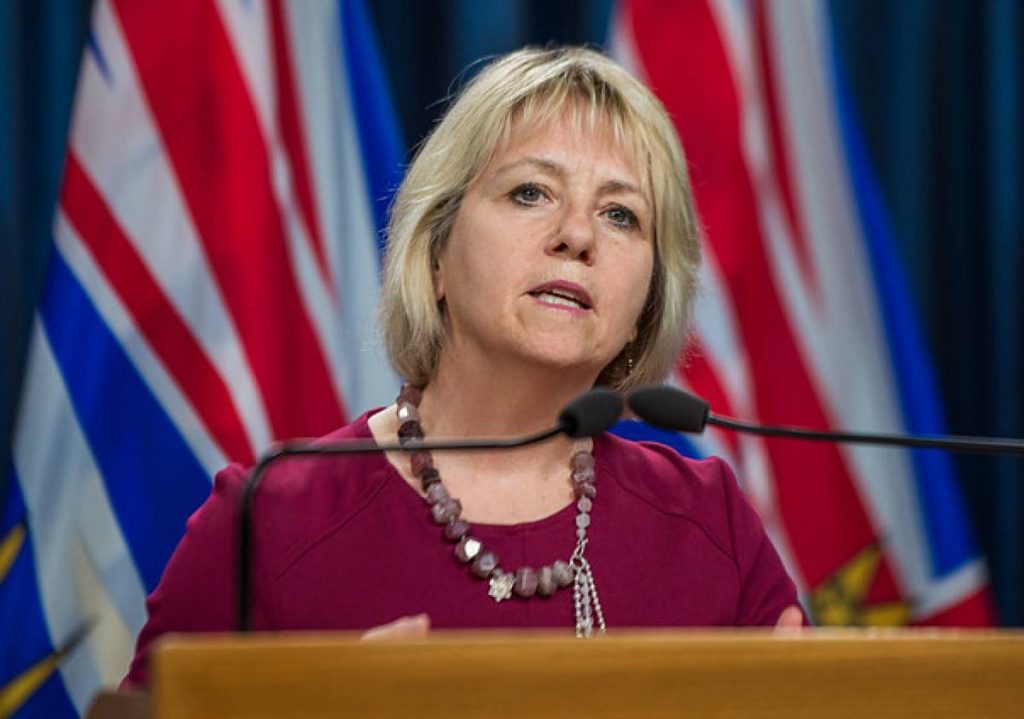
Dr. Bonnie Henry
“Early on, we gave broader geographic areas (health authority boundaries) because there were such small numbers that people would be identified if we knew that somebody had traveled to a certain area or come back from a cruise ship,” said Dr. Bonnie Henry, Provincial Health Officer.
Henry emphasized that the map shows where people live but that may be different from where they contracted the virus. Indeed, many of the hotspots correspond to areas where there have been outbreaks in such places as prisons, food manufacturing plants, tourism hotspots, and long term care facilities.
Richmond’s low numbers may surprise some but as Henry has said before, the community has a high concentration of Chinese residents and many were already in the habit of wearing masks when the pandemic struck eight months ago.
During her routine press briefing Thursday, Henry said about a third of B.C.’s cases are liked to parties and nightclubs; another third stem from infections by family members or friends; the final third relate to workplace clusters, travel and outbreaks in long term care.
Aware of growing anxiety about the return to school, Henry said B.C.’s case counts are “very low, relative to any other jurisdiction in the world.”
In a province with a population of about five million, there have been 5,372 confirmed cases so far and 204 deaths. Twenty-two people are currently in hospital and 4,253 have recovered. (For an explanation on what recovery means, read my article here.)
FURTHER INFORMATION ABOUT MAPS & MORE DATA AVAILABLE FROM BCCDC HERE
The post COVID-19 cases by place of residence; map shows where those infected live (but not necessarily where they were exposed) appeared first on Medicine Matters.
]]>The post Growing Numbers of Healthcare Workers with COVID-19 appeared first on Medicine Matters.
]]>The last time I wrote about the number of health care workers in B.C. who had been infected with COVID-19, the numbers were staggering.
They still are but the latest information obtained from the BC Centre for Disease Control (BCCDC) shows that the proportion of infections in healthcare workers like nurses, physicians, care aides and others has shrunk a wee bit, relative to overall lab-confirmed case rates in B.C.
In April, health care workers (HCW) accounted for 428 or 21% of COVID-19 infections in B.C. In early June, 680 infections were among healthcare workers – representing 25% of COVID-19 infections. As of early August (the latest data provided by BCCDC), 756 health professionals had tested positive for COVID-19 which represents about 20% of all lab-confirmed cases at that time period.
I’ll be adding a graph showing the breakdown of infections in various categories of healthcare when the information is supplied.
According to this report, there’s a huge variation in infection rates among healthcare workers between countries, with fewer than 1% in Singapore and more than 30% in Ireland. B.C.’s rate is certainly on the higher side.
Healthcare workers have been tested more often than anyone else and they’ve been in the line of fire so it is perhaps not surprising that nearly a quarter of all infections would be diagnosed among their ranks. In my last article, I wrote about a nurse at St. Paul’s Hospital in downtown Vancouver who got COVID-19 in late March and is still on sick leave.
Provincial health officer Dr. Bonnie Henry drew some outrage when she said this a few months ago: “I think we need to be cautious when we look at the healthcare worker data because we include healthcare workers no matter where they were exposed. Many people who are healthcare workers were exposed at things like a (March dental) conference that we know a lot of people attended. There was personal travel. There was also transmission between workers in settings where they may not have realized there was a risk — in lunchrooms, in break rooms, and things like that.”
Throughout the pandemic, nurses and other healthcare workers in acute and long term care settings have complained that one of the big reasons why their health has been threatened is because access to personal protective equipment (PPE) has been rationed or restricted, even locked away in cupboards. Requiring a unit manager to unlock the supply closet causes delays that potentially compromises the health and safety of healthcare teams.
PPE is intended as a barrier against infectious pathogens, blood, and body fluids that are hazards of the job in health care settings. It includes gloves, N-95 respirators, face masks and/or shields, eye protectors, gowns, headcovers, and booties. Health Minister Adrian Dix has been transparent about PPE acquisitions and the staggering costs of stockpiling supplies but healthcare workers have countered with anecdotes of PPE rationing that goes on in many health care facilities because of shortages or attempts to avert shortages.
Nurses contend that healthcare employers maintain they have the right to determine how much PPE should be donned. Nurses, on the other hand, maintain they must be allowed to use their clinical judgment to decide whether they need more than the bare minimum.
Christine Sorensen, president of the BCNU
Christine Sorensen, the recently acclaimed president of the BC Nurses Union (BCNU), has said throughout the pandemic that members have complained about insufficient access to PPE.
The BCNU has now published a position statement on PPE based on a concept in law called the Precautionary Principle. After the 2003 SARS outbreak which affected individuals in Ontario and B.C., an Ontario commission issued a report that said, in part, that the precautionary principle should help guide actions meant to protect healthcare workers. The BCNU says that under the precautionary principle, safety comes first.
“Imagine a firefighter having to delay response to a burning building while they seek permission to unlock their helmet and boots. This circumstance would be intolerable for those firefighters, just as it should be for nurses and other healthcare workers who may have their PPE stored in locked cabinets and not be provided with the keys.
“More plainly, this precautionary principle dictates that it is appropriate to use the highest level of PPE available until there is definitive proof that such PPE is not required.”
Healthcare workers are invited to share their comments about this issue in the area below or by emailing me: [email protected]
The post Growing Numbers of Healthcare Workers with COVID-19 appeared first on Medicine Matters.
]]>The post Ribbons around a ‘giving tree’ for a nurse who got COVID-19 appeared first on Medicine Matters.
]]>BY PAMELA FAYERMAN
On a day when B.C. reported the third-highest number of new COVID-19 cases since the pandemic began (85), a Vancouver hospital nurse who contracted the virus is shocked at the number of people “who still don’t respect the seriousness of this virus.”
“Don’t be fooled for a moment, it can take your life,” Amy Sangha said in a phone interview that was delayed a day because of lingering breathing problems that, five months on, prevent her from having long conversations, not to mention going back to work.
Sangha is one of nearly 150 nurses in B.C. who have gotten COVID-19 since the pandemic began. Her last shift worked at St. Paul’s Hospital in downtown Vancouver was on Friday, March 20. By the following Monday, a scheduled day off, she couldn’t walk up four stairs or hold a toothbrush to her mouth.
“I have no idea how I gathered the strength days later to drive to the Blusson Spinal Cord Centre (where health care staff went, at the time to get COVID tests), but I did and the results came back positive the next day.”
Sangha, who lives alone, was a transition services coordinator, a nursing role that involves hospital discharge planning for patients with complex illnesses and needs.
“I am certain I got COVID at work. Maybe from a patient at the time who was waiting for the results of their COVID testing, I don’t know for sure and I have no way of finding out.”
Just over a week after she was diagnosed with COVID-19, Sangha – who has no underlying health issues – was rushed by ambulance to Burnaby Hospital for a few days because her respiratory symptoms were so severe.
When she was in isolation at home in Burnaby, the 44-year old Sangha stared out her windows, fixated on a willow tree blooming in the Spring with yellow flowers. She had an unrelenting fever for two weeks and that tree in her front yard became her symbol of willpower and hope.
She doesn’t recall ever reading the allegorical book, The Giving Tree, but Sangha resolved that her tree represented life and growth and that it should also inspire a giving movement, for herself and her large circle of family, friends and other supporters.
“And then I thought maybe if it had ribbons, it could also lift my spirits.”
She made a sign she placed outside her house that read:
“Health-care worker being held hostage by COVID-19. Please tie a ribbon on the tree to keep my spirits up as I kick some COVID ass.”
People have not only tied ribbons – they’ve attached guardian angels to the tree limbs, crystals, and balloons. Everything remains intact and Sangha has no plans to remove the decorations.
On various social media channels, she announced that for every ribbon that friends, family members, neighbours or strangers tied on the tree, she would donate money to various causes – the Burnaby Hospital Foundation, Care Canada’s COVID-19 relief fund, and Doctors Without Borders.
There are so many ribbons that she ended up emptying and donating all that was in her savings account – $6,400. People around the world – complete strangers – also rose to the challenge. One gentleman donated $26,000.
“He’s anonymous. But in my fantasy, he’s a patient I took really good care of,” she says.
While COVID has ravaged her lungs and kept her away from a career she’s had for 20 years, Sangha is encouraged by the heartwarming support she’s been shown. Her union has also had her back, playing a pivotal role in sick leave benefit issues.
“There are many days when I’m in a dark place because of the lingering effects of COVID, the breathing difficulties, and exhaustion. I’ve got PTSD and I want my life back. It wears on you, psychologically and emotionally.
“My breathing never deteriorated to the point that I required ventilation, but when your breathing is so threatened, it is really traumatic because you know that if you stop breathing, you’re dead.
“I was afraid to go to sleep because I thought I may never wake up again.”
The sign Sangha posted on her lawn, in gratitude
The post Ribbons around a ‘giving tree’ for a nurse who got COVID-19 appeared first on Medicine Matters.
]]>The post Married Vancouver physicians offer some COVID-19 positives in upbeat virtual chat with Rabbi appeared first on Medicine Matters.
]]>Dr. Patty Daly and Dr. Eric Grafstein have been leaders in B.C. healthcare for a few decades now. The married physicians are intrepid leaders and during the COVID-19 pandemic, they’ve piloted their colleagues gallantly.
Daly is the Vice President, Public Health, and Chief Medical Health Officer for Vancouver Coastal Health. Grafstein is the regional head of emergency medicine for Vancouver Coastal Health and Providence Health Care. There have been 899 cases of COVID-19 in the Vancouver Coastal Health region (population 1.5 million) and 2,550 across the whole province.
They’re members of the reform synagogue called Temple Sholom in Vancouver so when Rabbi Dan Moskovitz convened a webinar for congregants and the community at large, he naturally tapped them.
I’ve watched the session that took place earlier this month and it was surprisingly reassuring in tone. Grafstein and Daly are about as well suited for a pandemic as anyone since they embody logic and calmness under pressure.
Grafstein debunks the need to wear gloves at all times (they may give a false sense of confidence; handwashing and sanitizer are the best modes of hygiene). He’s meticulous but not obsessively so. I watched a video of CNN’s Dr. Sanjay Gupta wiping down every product in his grocery bag; Grafstein said he doesn’t clean packages of products he buys at the grocery store but he does wash produce before it’s used and he cleans his hands incessantly.
Referring to the resumption of activities like canceled or delayed surgeries, Daly said:
“We’ve significantly bent the curve, so we can begin to lift some public health measures.” She also spoke about children who have a much lower risk of infection for inexplicable reasons, and that’s why daycares and day camps can likely re-open this summer, with some restrictions. Thousands of children have been tested for COVID-19 in B.C. and less than one percent have been confirmed to have had COVID-19.
Daly spoke to the anxieties people have about even going outside.
“It’s quite safe to be in parks, exercising outdoors. I’m not aware of any transmissions through casual exposures outdoors. People can be reassured that there isn’t a risk when someone passes them on the street. We shouldn’t fear that passersby will infect us as long as they aren’t coughing or spitting directly in our faces.”
Asked by Rabbi Moskovitz about COVID-19 transmission to doctors, Grafstein said he knows of only one medical colleague at St. Paul’s who got the virus and he is “positive he didn’t get it in the hospital.” (Nearly a quarter of COVID-19 cases have been among health care workers, mostly those who work in long term care facilities).
But Grafstein acknowledged that the shortage of personal protective equipment for healthcare professionals and workers has been an ongoing issue requiring “shepherding logistics and procurement.
“At various times there’s been a concern on whether we’d run out. I wear a mask and a face shield but I keep it on throughout my shift.”
Daly said every positive case is followed up and “Eric is right, this is different than SARS, almost every health care worker transmission has occurred in the community,” she said, noting the community-acquired cases are what led to outbreaks in long term care facilities.
Not surprisingly, the rabbi asked about when houses of worship might be allowed to reopen. Daly said she can’t predict when that might happen:
“Gatherings over 50 will be the last thing we lift. Houses of worship have to protect older people…” she said.
In the fall, she expects university classes might be a combination of virtual and in-class teaching.
Asked at the end of the hour-long sessions about any blessings or silver linings that have come from the pandemic, Grafstein said the uptake of virtual health care technology is one. Apart from the utilization of technology, he cited the fact that the pandemic has led to “people coming together to sort out problems, to tackle it, and that gives me great confidence.
“Canada has done better (than many other nations),” he said, before giving a shout-out to his wife and other public health officials.
Daly echoed her husband’s comments about the use of technology.
“Like in any war, there is innovation,” she said, adding that governments have “come together to do the right thing.”
Rabbi Moskovitz got the last word in, praising the two for being the kind of “heroes we clang and bang pots for, and who we pray for.”
Watch the session on Youtube here.
Email me here: [email protected]
The post Married Vancouver physicians offer some COVID-19 positives in upbeat virtual chat with Rabbi appeared first on Medicine Matters.
]]>The post No COVID-19 testing before surgery – rolling the dice? appeared first on Medicine Matters.
]]>I know of a West Vancouver resident who this week tested positive for COVID19, six days after she was released from Lion’s Gate Hospital where she had surgery.
The elderly woman is isolating in her apartment and receiving home care services from Vancouver Coastal Health. I am told she had COVID-19 testing in the hospital while she was an inpatient; Lion’s Gate has had COVID-19 outbreaks on patient wards. It would seem she could have acquired COVID in the hospital. Are the risks of contracting COVID-19 higher in hospitals than in communities? We don’t know. The government hasn’t given us that information.
In my last article, I drew attention to the fact that B.C. guidelines do not call for mandatory pre-operative testing for scheduled operations. And I have since heard from surgeons and anesthesiologists who are concerned about this. I asked Dr. Kathleen Ross, president of Doctors of BC, about the organization’s stance on this. She acknowledged some of the concerns and hinted at some flexibility as well as possible changes in the future if patients bring COVID-19 infections into hospitals or if hospital-acquired COVID cases spike:
“The guideline is not ‘no testing.’ It suggests testing based on screening for wide-ranging clinical symptoms, travel, and possible exposure. From a public health point of view, with the very low incidence of disease now, a positive test is not as accurate as we would like, though a negative test is reassuring. And a negative test 24 to 72 hours pre-surgery would not guarantee that the patient is asymptomatic on the day of surgery. We think the guidelines are flexible enough to allow testing if needed…”
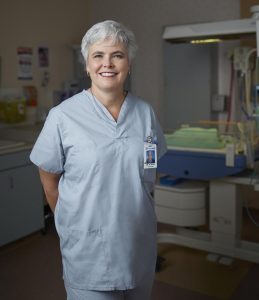
Dr. Kathleen Ross, President, Doctors of BC
“We have heard of some concerns regarding universal laboratory screening of elective surgery patients as we prepare to increase the number of outpatient surgeries we are conducting. We do understand the concern of those on the front line of clinical care and also realize the PHO/BCCDC recommendations are based on the most up to date science relating to SARS-CoV2 disease incidence in the population, droplet precautions, aerosol-generating procedures, the effectiveness of PPE, and appropriate donning and doffing procedures. With the disease incidence being low in the community, the positive predictive value of a test is not as useful as the predictive value of a negative test.
“The critical piece is the entire surgical team will decide together which risk category the patient is assigned to prior to the patient entering the surgical suite and which PPE protocols will apply to the individual patient for any given surgery. This will optimally protect patients and providers.
“I personally trust in our protocols and recommend PPE when I am assessing, treating, and operating on patients in my own practice settings. We are currently rigorously applying procedures relating to the handling of all patients, including PPE equipment, to protect patients, healthcare providers, and support workers. Doctors of BC will continue to work closely with all our partners to monitor SARS-CoV2 incidence and COVID-19 cases as these screening and PPE processes expand to include elective surgeries and investigations over the next several weeks.”
As you can see from the comments by Dr. Ross (a general practitioner), experts have a lot of faith in personal protective equipment, perhaps more trust in PPE than in testing which may explain B.C.’s relatively low rate of testing. Indeed, B.C. is such a laggard in testing that just over 1,000 tests were done yesterday while the province has the capacity for seven times that number.
If hospital-acquired COVID infections – in patients and health care workers – spike, then I would assume the guidelines will change and testing before operations will become the norm.
I also heard from a patient whose surgeon has asked her to get a COVID-19 test 48 hours before her surgery. Her age, (co-morbidities (diabetes and heart disease), and a previous “indeterminate” COVID test, may all be contributing factors. But she’s reassured that her specialist has exercised his discretion and ordered a test.
In some other jurisdictions, pre-op COVID testing is routine because of studies showing that more patients die or suffer through long recoveries after surgery if they have COVID-19.
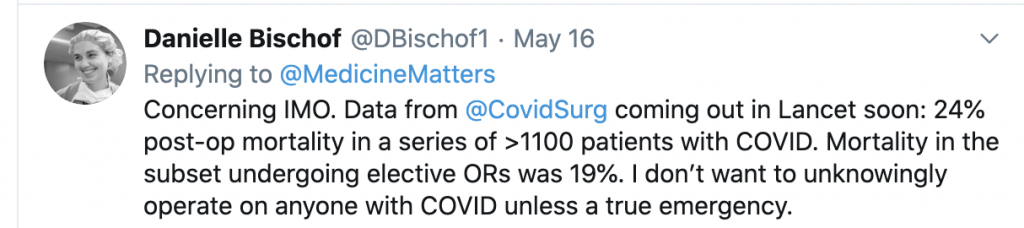
A surgical oncologist posted this on Twitter after she read my previous article:
The post No COVID-19 testing before surgery – rolling the dice? appeared first on Medicine Matters.
]]>The post Surgery patients won’t get COVID-19 tests before their operations if they pass screens. It’s controversial. appeared first on Medicine Matters.
]]>The decision not to test all patients is contrary to precautionary principles touted by some American hospitals and medical groups like the American Society of Anesthesiologists which contend that testing will help protect hospital staff and other patients. University of California hospitals are asking surgery patients to get tested before their operations and other hospital-based procedures so others are not put at potential risk. This, even though the previous testing on patients without symptoms revealed that 0.3% were positive after testing while the positive rate was only 3.33% in those with symptoms.
Despite the low rates, the anesthesiology society states: “Patients who are scheduled for surgery should always be assumed to be potential carriers of the virus throughout the duration of their hospital stay, even if they pass the pre-assessment triage including normal temperature, no history of exposure or travel, and no respiratory symptoms.”
Even with a test, “clinicians must be mindful that a negative test does not negate the possibility that an individual is infected” the organization noted, referring to the fact that the nasal swab test is imperfect, with substantial false negatives and positives.
In the British Journal of Oral and Maxillofacial Surgery, testing of all patients pre-surgery is urged as “patients who are scheduled for surgery should always be assumed to be potential carriers of the virus throughout the duration of their hospital stay, even if they pass the pre-assessment triage including normal temperature, no history of exposure or travel and no respiratory symptoms.”
The author contends that “not being aggressive with testing while carrying out surgical services could have catastrophic consequences.”
The BC Ministry of Health worked with representatives from the BC Centre for Disease Control, the Provincial Health Officer, WorkSafe BC, the College of Physicians and Surgeons and an expert panel to develop guidelines for the gradual resumption of surgeries and procedures. The experts decided that pre-surgery testing isn’t required for all patients. Instead, they will undergo risk assessment screening prior to surgery. If they have any symptoms or have had exposure to someone with the illness, they’ll be referred to a testing site.
The ministry sent a statement to me which says:
“Now that we have flattened the curve and the overall prevalence of the disease is low in B.C., we anticipate that the vast majority of surgical patients will not be infected with COVID-19. Testing criteria for surgical patients is set out in the updated Infection Prevention and Control Protocol for Surgical Procedures During COVID-19 document (the Surgical Protocol): http://www.bccdc.ca/Health-Professionals-Site/Documents/COVID19_IPCProtocolSurgicalProceduresAdult.pdf
“Testing is one part of a comprehensive suite of controls – including engineering controls (plexiglass barriers), administrative controls (physical distancing), patient screening, and appropriate PPE use – to minimize risks for clinicians and health care workers. Under these guidelines, patients are being asked to take some steps to make sure that they, and their surgical team, and the many other health-care providers who support the patient will be safe.”
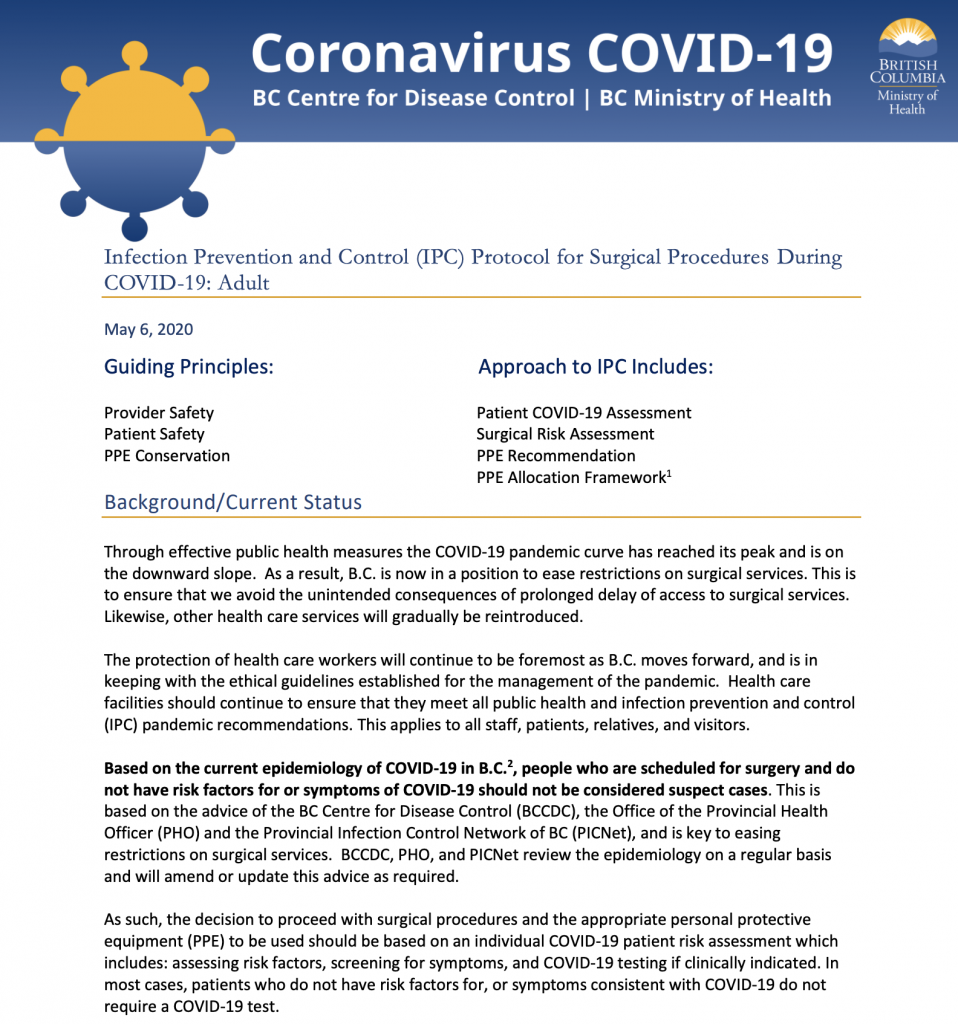
Patients will complete their pre-surgical assessment in advance of their surgery and again on the day of their surgery. This assessment includes identification of any risk factors relating to the patient’s travel history, contacts in the community, and contacts at work.
In B.C., there are tens of thousands of patients who’ve been waiting for non-urgent surgery since the health ministry canceled such operations in mid-March because of the COVID-19 pandemic. Screening tests like breast mammograms and colonoscopies were also put on hold. Health Minister Adrian Dix said it will take two years to clear the backlog.
In early March, there were a record 93,000 patients waiting for non-urgent surgery, including over 30,000 that were already scheduled and canceled. (About 17,000 emergency and urgent cases did proceed since the middle of March).
Dix said Thursday that nearly 7,000 patients have already been contacted by health authorities to discuss the rescheduling of their operations.
The test for COVID-19 misses up to 30% of infected patients and Provincial Health Officer Dr. Bonnie Henry said she thinks there is little value to doing random testing of those who are asymptomatic. B.C. is one of only a few jurisdictions in Canada that has done relatively low levels of testing. Health columnist Andre Picard wrote a persuasive column about Canada’s “half-hearted” embrace of testing and the “dawdling” pace of testing this week.
Henry said Thursday in a press conference that it’s not that B.C. doesn’t have the capacity – the province has the resources to do 7,000 tests a day – but only about 2,000 per day are actually done, suggesting there are no stampedes by B.C. residents seeking tests. She made it clear that she’s not a fan of “random” testing because of the test limitations. In another press conference, she said: “We aren’t going to test for no purpose. That is wasteful.”
In B.C. most recently, detecting COVID-19 has been like finding a needle in the haystack since case numbers are drastically down – only 15 new cases today, for example. As the province “re-opens” however, there is a risk, and some would argue a likelihood, that cases will spike. Relying on pre-surgery patient assessments could be a bit of a gamble that could result in hospital outbreaks.
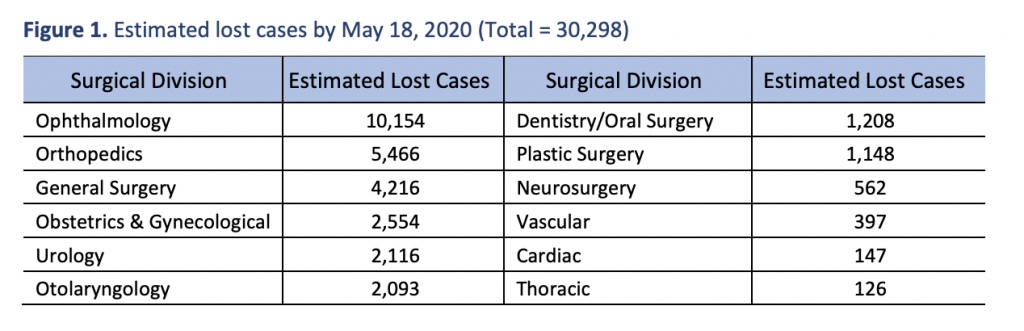
Dix has said that as part of his $250 million plan, he wants to hire many hundreds more nurses, physicians, and other hospital staff. And he hopes health professionals will forego their usual summer holidays and work weekends and evenings. Some may well do that but I doubt he’ll get total buy-in, especially from health care workers who’ve been on the front lines of the COVID-19 pandemic and are flat-out exhausted.
What’s your opinion on B.C’s decision? Leave a comment or email me: [email protected]
The post Surgery patients won’t get COVID-19 tests before their operations if they pass screens. It’s controversial. appeared first on Medicine Matters.
]]>